Woven Bamboo: A Designer’s Honest Review
When a new script font lands on my desk, I do not just look at the letterforms. I look for the soul of the typeface. Does it have rhythm? Does it breathe? Or is it just another digital imitation of handwriting that feels stiff and lifeless? Woven Bamboo arrived with high expectations, and after putting it through the wringer of several client projects and personal experiments, I am ready to share my practical assessment. This is not a marketing blurb; it is a field report from the trenches of modern typography.
The First Impression: Organic Flow Meets Digital Precision
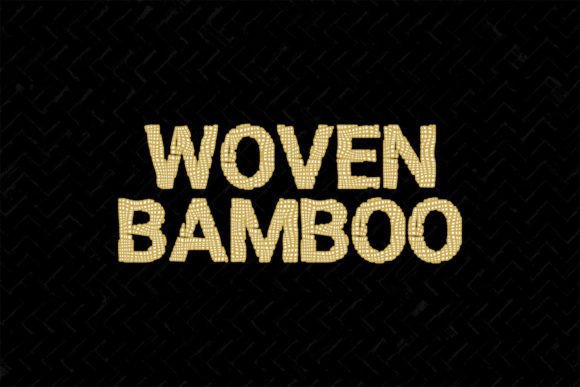
The moment you type out a test phrase in Woven Bamboo, you notice the texture. Despite being a digital file, it carries an organic warmth that many clean vector scripts lack. The strokes mimic the natural variation of a brush or a flexible pen, creating a visual personality that feels approachable yet refined. It does not scream for attention with exaggerated swashes or impossible ligatures. Instead, it whispers elegance.
This handwritten font excels at creating a mood of artisanal quality. It feels crafted, which makes it an immediate candidate for brands that want to distance themselves from cold, corporate aesthetics. If your project requires a human touch, this typeface delivers without feeling messy or unprofessional. It strikes a delicate balance between casual friendliness and premium sophistication.
Real-World Applications: Where It Shines
In my recent work, I found Woven Bamboo to be incredibly versatile within specific boundaries. It is not a utility player for body text, but it is a star performer in display roles. Here is how it holds up in actual design scenarios:
- Logo Design and Brand Identity: For boutique businesses, such as florists, bakeries, or wellness coaches, this font creates an instant emotional connection. It works beautifully as a primary logo mark when paired with a sturdy sans serif font for the tagline. The contrast establishes clear hierarchy and trust.
- Packaging Design and Product Labels: This is where Woven Bamboo truly earns its keep. On a candle label, a jar of honey, or a skincare bottle, the script adds a tactile quality that encourages consumers to pick up the product. It signals "handmade" and "care," which are powerful drivers in retail environments.
- Social Media Graphics and Digital Ads: In the fast-scrolling world of Instagram and Pinterest, you need visuals that stop the eye. Using this script for short quotes or promotional headers increases engagement. It stands out against the rigid grid of standard social templates.
- Invitations and Editorial Design: Whether for wedding stationery or a lifestyle magazine spread, the fluidity of the letters adds a layer of romance and narrative. It guides the reader’s eye gently across the page.
Navigating Limitations: Readability and Hierarchy
No font is perfect for every situation, and honesty is crucial in web design and print. Woven Bamboo is a display font first and foremost. While it is legible, it should never be used for long paragraphs or small print. The intricate connections between letters can become muddy at smaller sizes, especially on low-resolution screens or cheap paper stock.
I recommend using it strictly for headlines, short phrases, brand marks, or decorative accents. If you are designing a flyer, keep the essential information—dates, times, locations—in a clean, neutral typeface. Let Woven Bamboo handle the emotional heavy lifting, while a reliable serif font or sans serif handles the informational load. This separation ensures your audience trusts the design because they can read it easily.
Practical Designer Notes: Testing and Pairing
Before you commit to this commercial font for a client, run these tests. I always start by viewing the typeface in black and white. Color can distract from structural flaws, but grayscale reveals the true weight and spacing of the letters. Check the kerning carefully. Some script fonts have awkward gaps between specific character pairs; Woven Bamboo is generally well-spaced, but always review custom ligatures manually.
Pairing is another critical step. Because this script has a distinct personality, it needs a partner that does not compete. I have had success pairing it with:
- Clean Sans Serifs: These provide a modern, grounded counterpoint to the flow of the script. Think of geometric sans serifs for a contemporary look.
- Classic Serifs: For a more traditional or literary feel, a high-contrast serif font can elevate the elegance of the script, making it suitable for luxury branding.
- Minimalist Display Fonts: Occasionally, a simple all-caps display font can work if you need a strong structural anchor alongside the soft curves of the script.
Avoid pairing it with other handwritten fonts or overly decorative styles. The result is usually visual noise that confuses the viewer rather than engaging them. Keep the rest of your design assets simple to let the typography breathe.
Licensing and Commercial Use
For freelancers and agency owners, licensing is non-negotiable. Always confirm the commercial licensing terms before using Woven Bamboo in client work, especially for digital products like Canva templates or printable designs sold on marketplaces. Ensure your license covers the intended use case, whether it is for web embedding, physical merchandise, or large-scale advertising. Protecting your clients and your business starts with respecting intellectual property.
Final Verdict
Woven Bamboo is a thoughtful addition to any designer’s toolkit. It is not just a pretty face; it is a functional tool for building brand identity that feels human and authentic. It performs exceptionally well in packaging, logos, and social media visuals where emotional resonance is key. However, it demands respect for its limitations regarding size and readability.
If you are looking for a premium font that bridges the gap between artistic expression and commercial viability, this script deserves a spot in your library. Test it on real mockups, pair it wisely, and let it bring a touch of organic warmth to your next project. In a digital world that often feels sterile, Woven Bamboo reminds us that design is ultimately about connecting with people.